John The Moldman LLC · Compliance Reference Library
Straight from EPA, CDC, CDPH & OSHA — not from a sales script.
One place to check what mold regulations actually say, sorted by who you are. No fear tactics, no upsold sampling, no “IICRC says so.”
For Landlords
CA-focused · SB 655 awareWhat you're legally on the hook for, what OSHA-aligned training actually gets you, and how to avoid the two ways landlords usually get burned: doing nothing, or getting oversold.
1Your legal exposure, plainly
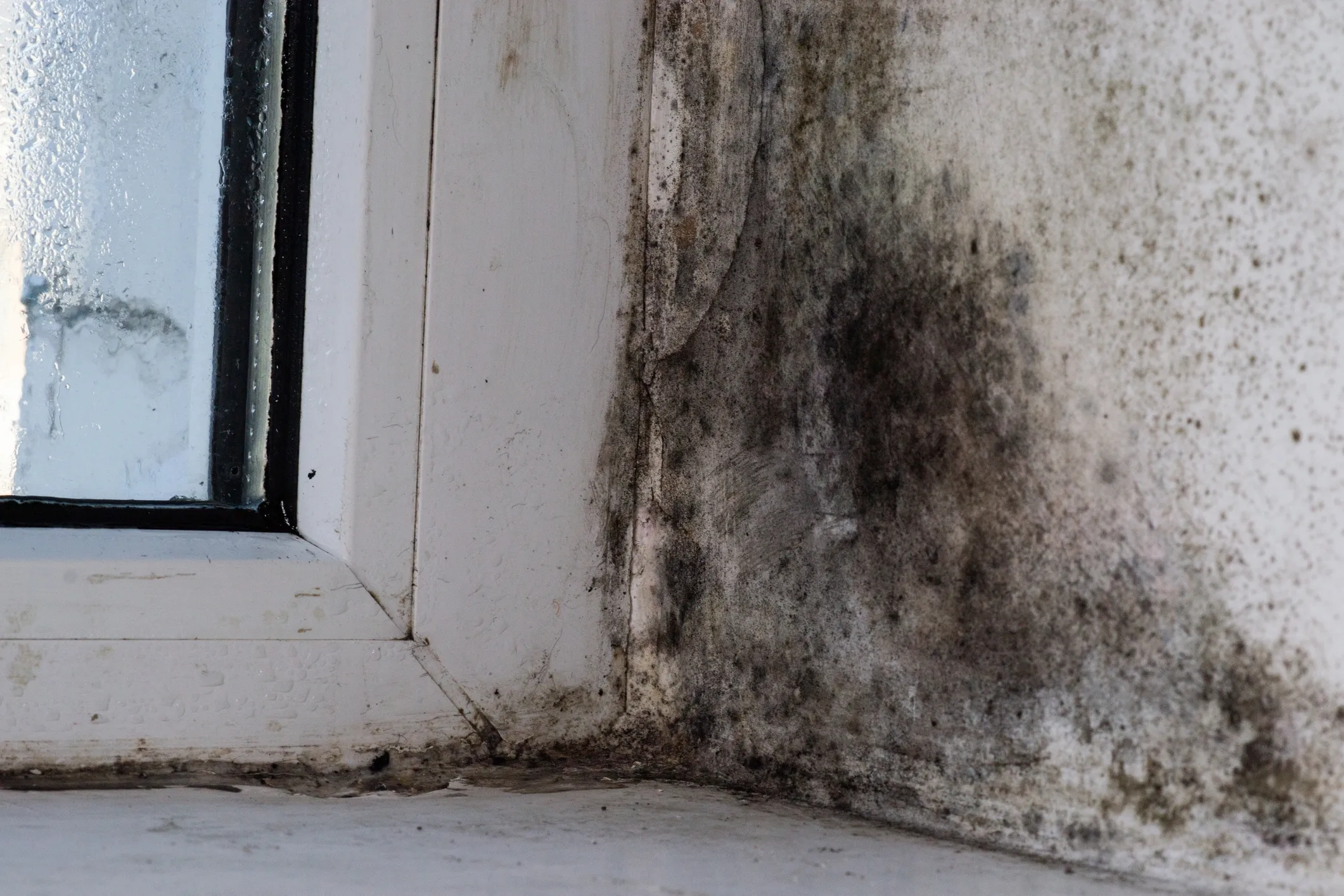
In California, visible mold that's an “indoor air quality hazard” is treated as a substandard housing condition, giving tenants grounds to act under the same statutes that cover leaks and habitability failures.
California Health & Safety Code §17920.3(a)(13) — SB 655Separately, tenants can pursue repair-and-deduct or withhold rent for conditions that make a unit uninhabitable if you fail to fix them within a reasonable time after notice.
California Civil Code §1941.1 / §1941.22What “OSHA certification” actually means
OSHA has no dedicated mold standard. What training providers sell as “OSHA mold certification” is a third-party certificate showing you were trained to comply with existing OSHA rules (respiratory protection, PPE, hazard communication) — not a credential issued by OSHA itself.
29 CFR 1910.141 / 1926.51 — general OSHA regs applied to mold workPractically, this still matters: a landlord who can show documented, standards-based training and a consistent response process is in a stronger position in a dispute than one with no process at all.
Practical note, not a legal guarantee3Red flags: how sampling gets used to oversell you
Watch for: a company that pushes expensive air sampling (like ERMI) as a required first step before they'll even discuss remediation, especially when visible mold and a moisture source are already obvious.
EPA: ERMI is a research tool, not a validated diagnostic or clearance standardWatch for: vendors quoting “no safe level of mold” or demanding total spore-count elimination — no federal or California agency sets a numeric exposure limit for mold in indoor air.
EPA / CDC position: no established indoor mold exposure limits existFull landlord toolkit (members)Certification pathway, tenant notice templates, and a documented response checklist mapped to SB 655.
Join to unlock →For Property Managers
Tenant communication focusHow to talk to a tenant about a mold complaint without escalating it — and without the fear-based script most remediation companies hand you.
NO EPA APPROVAL FOR MOLD SAMPLING. and AIR MOLD SAMPLING IS SCIENTIFICALLY UNSOUND. The key points and citations included in your saved documenation cover: Agency Statements (EPA & CDC/NIOSH): Notes that neither agency sets threshold limite values (TLVs) or federal heath-based limits for.
1What agencies actually say to tell tenants
You don't need to identify the species of mold to know how to respond — the appropriate action is the same regardless of type: find and fix the moisture source, then clean or remove the affected material.
CDC: mold species identification is not necessary to guide remediationCDPH distinguishes cleaning approaches by surface: hard, nonporous surfaces can often be cleaned with soap and water; bleach is not recommended as a routine or required step and carries its own respiratory risks.
CDPH guidance on mold cleanup methods2A response script that doesn't create a paper trail against you
AVOID: “It's probably nothing” / “That's just surface mildew” — undocumented reassurance is exactly what gets used against a PM later if the issue turns out to be real.
3Vetting a remediation vendor
Red flag: a vendor who diagnoses toxic mold by smell or visual guess alone, or who won't explain their sampling method in plain terms before you sign off on it.
EPA: visual/odor-only “toxic mold” diagnosis is not a validated methodFull PM toolkit (members)Vendor vetting checklist, tenant email templates, and an incident log format that holds up in a dispute.
Join to unlock →For Tenants
Know before you pushWhat you're actually entitled to, and what's marketing noise designed to make you panic or pay for unnecessary testing.
1Your rights, plainly
Visible mold tied to moisture problems can qualify as a substandard housing condition your landlord is required to address.
California Health & Safety Code §17920.3(a)(13)If a landlord fails to fix a habitability issue within a reasonable time after written notice, you may have repair-and-deduct or rent withholding options — but the specific procedure matters, so document everything in writing.
California Civil Code §1941.1 / §1941.22What you don't need to prove your case
You don't need a lab report identifying the exact mold species to have a valid complaint — visible mold and moisture, and your landlord's response time, are what typically matter.
CDC: species ID isn't required to justify remediationBe cautious of companies that approach tenants directly offering “free” testing — some use alarming, imprecise results to sell expensive remediation you may not need, or that isn't actually your financial responsibility.
General consumer caution, not agency guidanceFull tenant guide (members)Notice letter template, documentation checklist, and a plain-language habitability timeline for your state.
Join to unlock →For Attorneys
Citation-first referenceA quick-reference matrix of agency positions and statutes relevant to mold-related habitability and remediation disputes.
1Agency position matrix
| Agency | Position |
|---|---|
| EPA | No federal numeric exposure limits for indoor mold; ERMI is a research-only metric, not a clearance or diagnostic standard. |
| CDC | Species-level identification not required to guide remediation; focus is moisture source control. |
| CDPH | Distinguishes soap-and-water cleaning from bleach use; bleach not positioned as a required or routine remediation step. |
| OSHA | No dedicated mold standard; applicable via general regs — respiratory protection, PPE, hazard communication, General Duty Clause. |
2Relevant California statutes
Health & Safety Code §17920.3(a)(13) (SB 655) — mold as a substandard housing condition.
Civil Code §1941.1 / §1941.2 — habitability and tenant remedies.
Davis-Stirling Act (Civil Code §4000 et seq.) — relevant for HOA-governed properties with common-area moisture or mold disputes.
Full litigation reference (members)Source-linked citation packets, agency statement archive, and case-prep checklists.
Join to unlock →For DIY Homeowners
When to DIY vs. call a proEPA guidance is built around a size threshold. Below it, most homeowners can handle cleanup themselves.
1The size rule
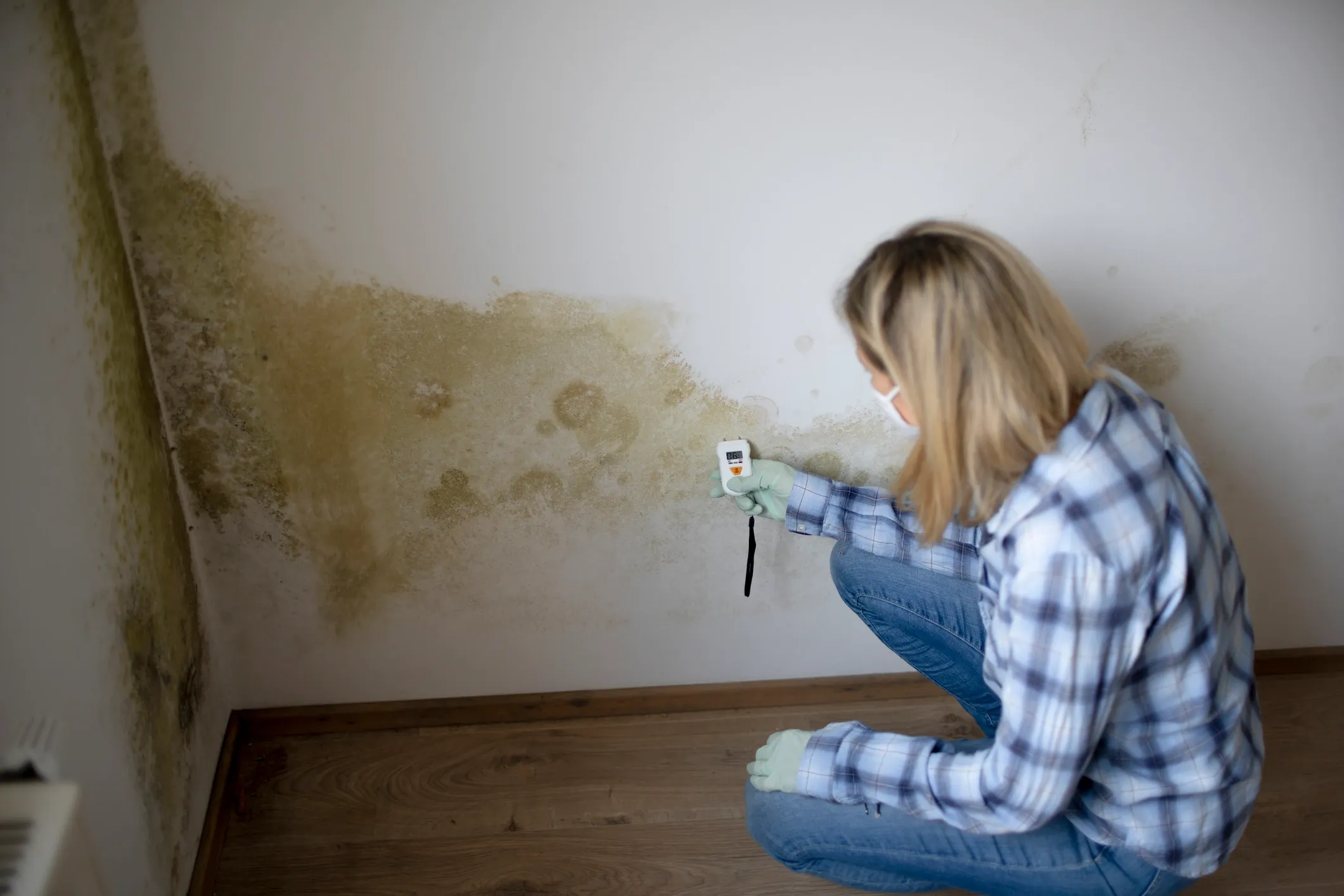
EPA guidance generally treats mold patches smaller than about 10 square feet (roughly a 3-by-3-foot area) as manageable for a homeowner to clean without professional remediation, provided the moisture source is also fixed.
EPA “Mold Remediation in Schools and Commercial Buildings” size guidance, commonly applied to residential contextsCleaning nonporous, hard surfaces with soap and water is generally sufficient; porous materials (drywall, carpet, insulation) that have been wet for more than 24–48 hours typically need to be removed rather than cleaned.
CDPH cleanup guidance2When to stop and call a professional
Call a professional if: the affected area is larger than roughly 10 sq ft, mold is inside HVAC ductwork, the moisture source is hidden (behind walls, under flooring), or a household member has a respiratory condition that makes DIY exposure risky.
EPA guidance, general prudenceFull DIY guide (members)Step-by-step cleanup protocol, PPE shopping list, and a “did I actually fix the moisture source” checklist.
Join to unlock →
Our Mission
At Mold Truth, we are dedicated to providing the truth about mold remediation and where to read about mold
Who is John the Moldman LLC
20
Years Of Experience We Provides
OSHA certified Trustworthy water, mold removal and inspections for your home. 20 Years experiance
- Mold certification
- Consultation Over the Phone